



Every part of the body needs thiamine to function, with some bodily systems using more of the vitamin than others. There are enzymes in the brain that need thiamine, including several critical neurotransmitters. When someone doesn’t get enough thiamine over a long period of time, they will develop brain damage or wet brain. Chronic stress releases cortisol, a hormone that can negatively affect memory, concentration, and problem-solving abilities.
Cognitive Behavioural Therapy
Understanding the “brain is mush” meaning from a medical and psychological perspective is essential for those who feel they are no longer functioning at their intellectual best. Treatment for wet brain can also slow down the rate at which this disorder progresses, helping individuals manage their symptoms and improve their quality of life. Receiving addiction treatment can seriously improve the future wellness of those who are at risk of developing wet brain from the effects of alcohol.
The Two Stages of Wet Brain
- Sleep deprivation is also a one-way ticket to Brain Melt City.
- Some alcohol rehab programs include cognitive behavioral therapy.
- This includes helping to prevent the development of Wernicke-Korsakoff syndrome.
- If your brain mush doesn’t clear up with lifestyle changes, it might be time to consult a healthcare professional.
These symptoms might include poor memory, slow thinking, emotional dysregulation, and disorientation. Understanding and addressing the root cause is key to reversing these feelings. Many people have experienced moments where their thoughts feel slow, words escape them, and even simple tasks require tremendous effort. Scientifically, this condition is known as cognitive fatigue or brain fog, and it can signal a deeper imbalance in brain function.
- These cascading effects can impair glucose delivery to the brain, reduce neurotransmitter synthesis, and blunt the brain’s ability to recover from daily demands.
- Fortunately, when an alcoholic wet brain is still in this first stage, it is treatable if addressed immediately with intravenous thiamine.
- This can reduce how much serotonin (a chemical messenger) your body produces, which can impact cognitive function and lead to symptoms of brain fog.
Can Wet Brain Be Cured?

Neuroimaging studies have revealed that individuals experiencing mental fatigue have reduced connectivity in the prefrontal cortex and altered blood flow to critical brain regions. Functional MRI scans often show a dampening of activity in areas responsible for working memory and heightened activation in stress-responsive mush brain areas like the amygdala. This imbalance explains why people under chronic pressure may find it difficult to think clearly, even when they appear outwardly calm. If a person with wet brain is unconscious or in a coma, they will need special care in a medical environment, and potentially, for a longer period, depending on the severity of their symptoms.
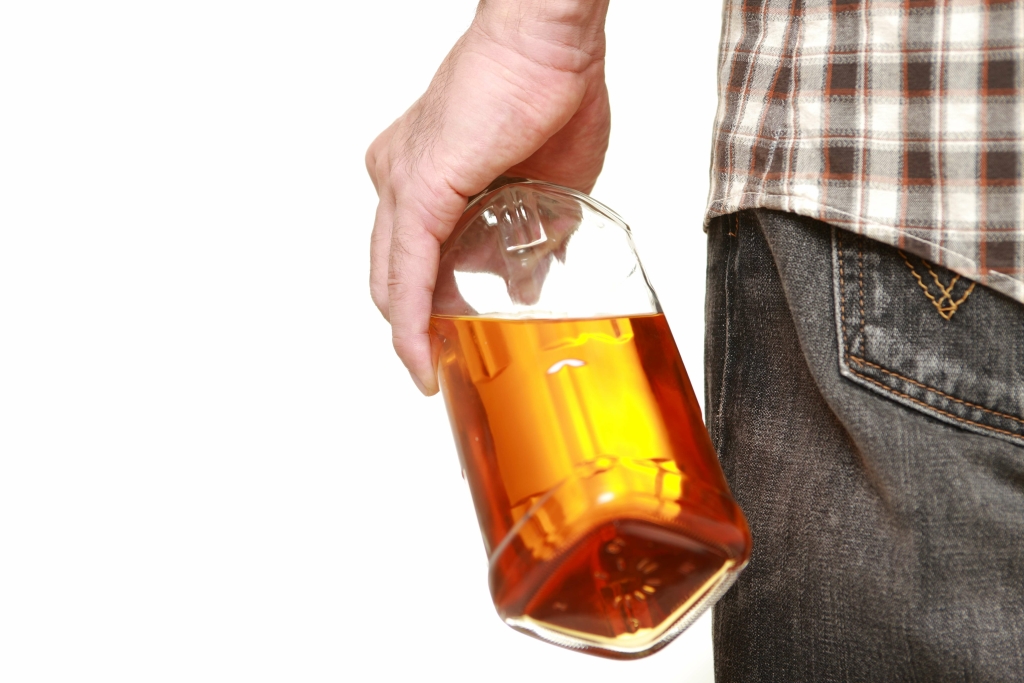
Korsakoff’s Psychosis
The goal is to usually aim for 8–9 hours of sleep every night. The long-term effects of this disease can range from difficulty with personal interactions and injuries caused by loss of coordination to coma or even death. Heart rate, eye movements, body temperature, and even a person’s walk drug addiction treatment could all signal a doctor to a possible thiamine deficiency. “Encephalopathy” refers to any disease that affects the structure or function of the brain.
They are also common in those with a history of childhood trauma or chronic emotional stress. People who constantly switch tasks are more likely to make errors, retain less information, and feel mentally drained. Over time, this can lead to digital burnout—a condition characterized by apathy, low motivation, and the classic sensation of mental mushiness. The brain is not an isolated organ; it operates in a delicate feedback loop with the endocrine system. The hypothalamic-pituitary-adrenal (HPA) axis governs https://outsource-point.com/2021/06/28/alcohol-s-effects-on-the-body-national-institute-7/ the release of cortisol, the primary stress hormone. Under acute stress, cortisol helps us stay alert and focused.